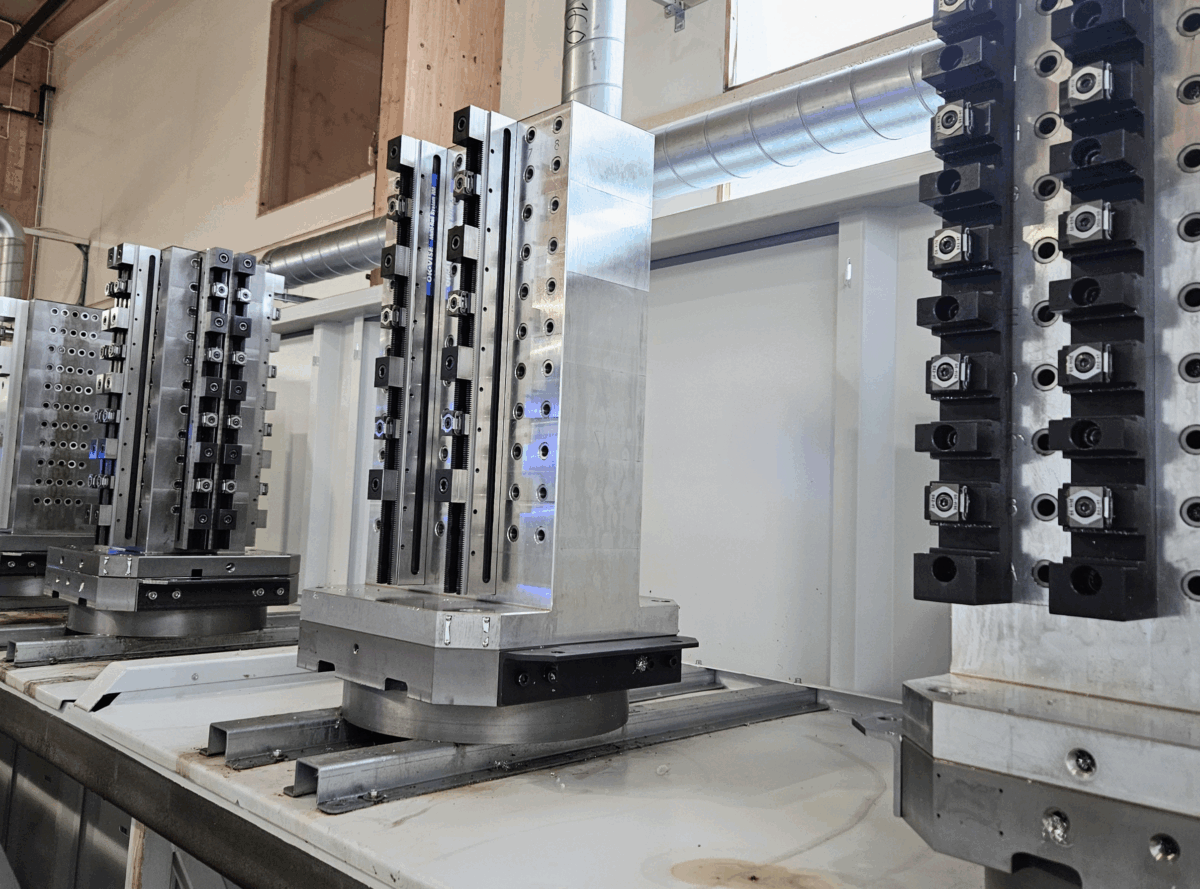
Repeated fixture engineering
Designing a new fixture for each part takes time, even when similar locating and clamping arrangements have already worked on other jobs.
High-mix manufacturing
Prepare different jobs using reusable workholding components and proven fixture layouts. OK-VISE modular systems help you reduce repeated fixture engineering, adapt to changing workpieces and make returning jobs easier to set up.
COMMON WORKHOLDING CHALLENGES
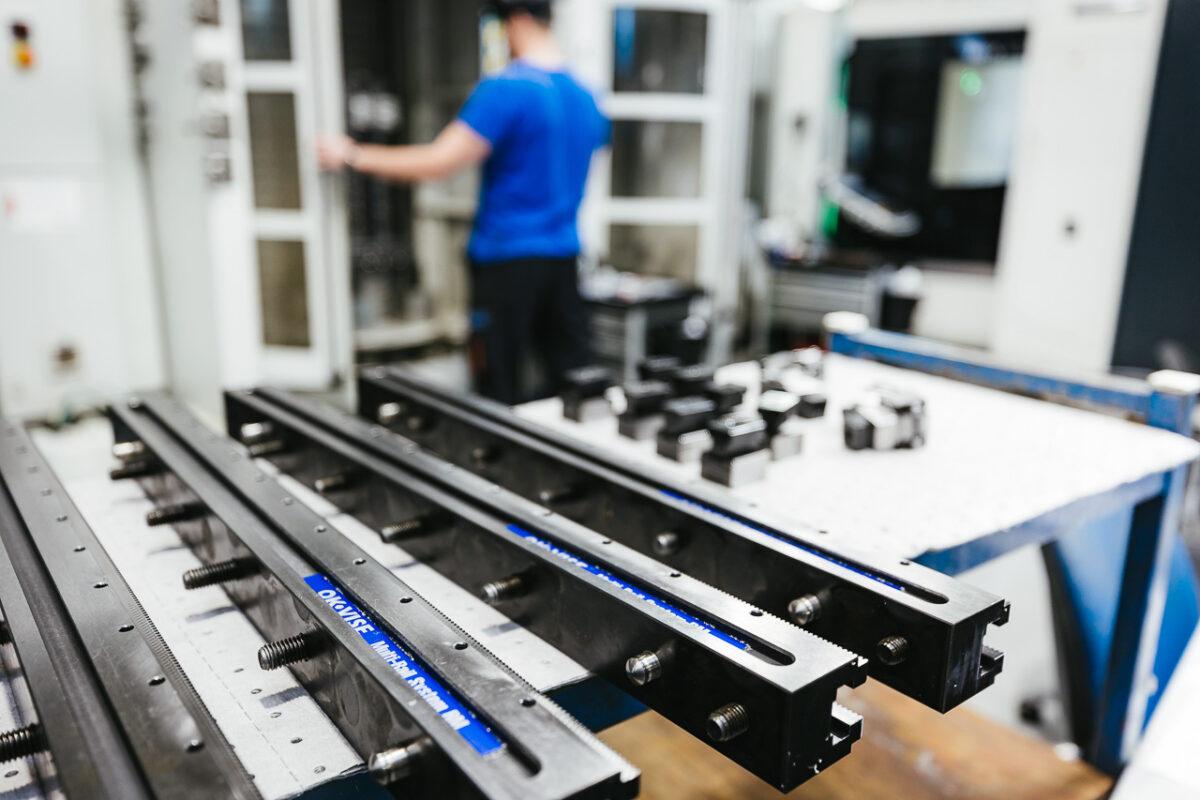
Whether you use stand-alone machines, pallet pools or an FMS, a changing part mix can create repeated work in fixture design, component selection and setup preparation.
Designing a new fixture for each part takes time, even when similar locating and clamping arrangements have already worked on other jobs.
Missing components, unclear fixture identification and scattered setup information delay preparation for the next order.
When setup details depend on one person’s experience, returning jobs can require the same decisions and adjustments all over again.
THE OK-VISE APPROACH
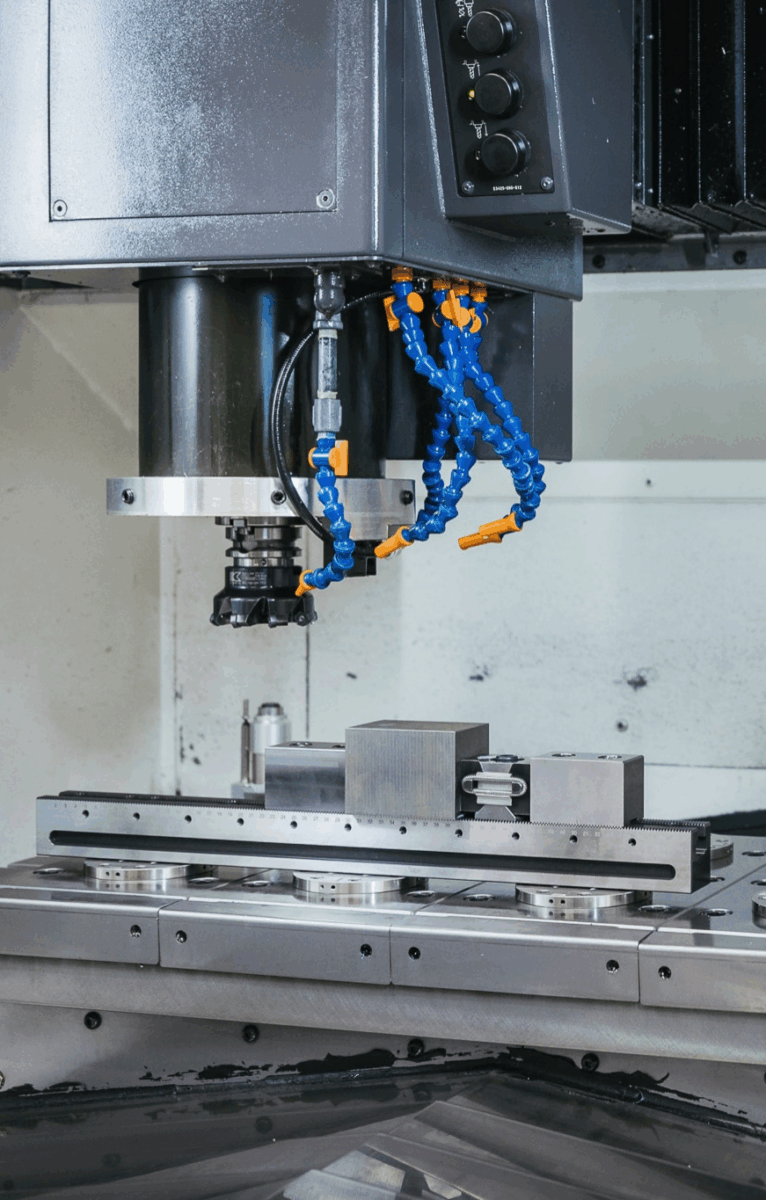
OK-VISE modular workholding lets you arrange clamps, stops, side guides and supports around different workpieces. Reuse suitable components and adapt the layout as part dimensions and machining requirements change.
Reposition clamping and locating modules to accommodate different workpiece sizes. Adapt an existing layout where the new part has similar requirements.
Combine standard modules with suitable jaws, supports or dedicated locating elements when the workpiece geometry requires them.
Release suitable components for other jobs when a complete fixture no longer needs to remain assembled. Keep frequently used fixtures ready where that saves preparation time.
A REPEATABLE WAY TO PREPARE JOBS
Combine reusable components with clear setup records and organized storage. This helps operators find the right parts and build on work that has already been done.
Look for workpieces with similar locating, support and tool-access requirements. Choose an existing fixture arrangement that offers a suitable starting point.
Adjust module positions and add part-specific elements where needed. Check workpiece location, support, clamping and machining access for the new job.
Document the component list, positions, locating references and clamping instructions. Keep setup photos and required checks with the job information.
EXPLORE THE PRODUCTS
Explore reusable fixture components and systems for changing workpieces and repeat orders.
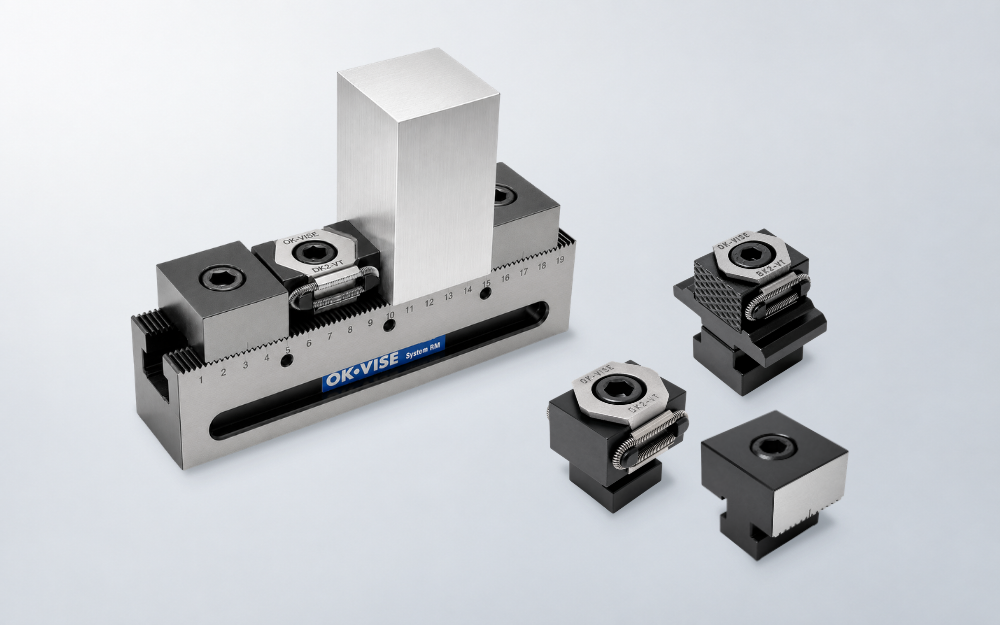
Reposition clamps, stops and supports for different jobs. Build adjustable layouts with components that can be reused across your part mix.
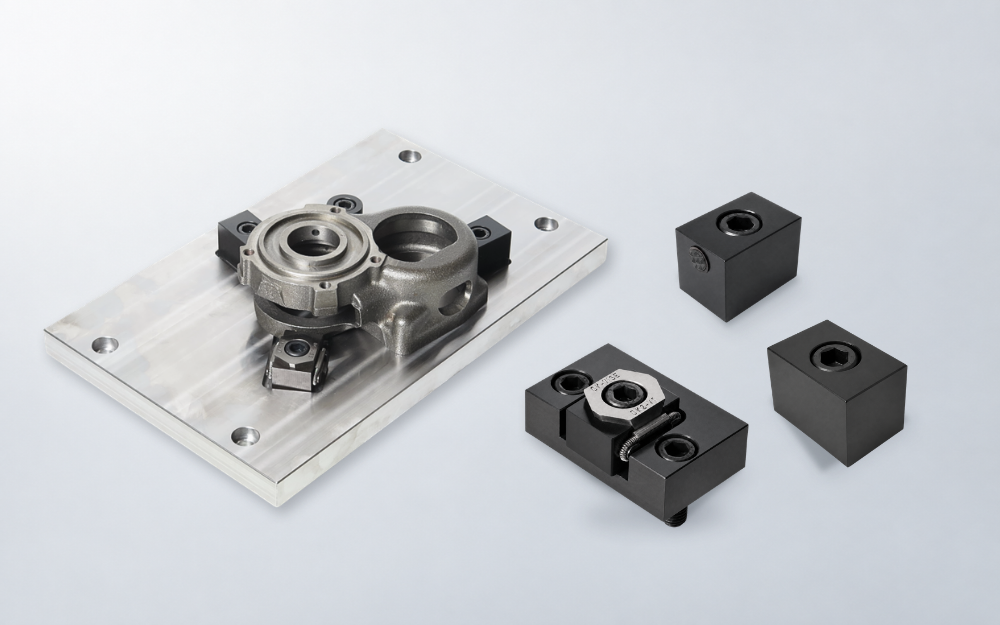
Use standard clamping and locating components in fixtures designed for specific parts. Keep dedicated solutions where geometry or recurring production makes them practical.

Exchange complete fixture plates when rebuilding the layout is unnecessary or time-consuming. Prepare and retain suitable fixtures for returning jobs.
CUSTOMER STORY — KYTOLA INSTRUMENTS
Kytola Instruments combines Multi-Rail setups with exchangeable fixture plates in its FMS. Previously, the company relied mainly on dedicated fixture plates.
In the published customer story, only 20% of fixtures remained dedicated plates, while the rest were built using Multi-Rail units. Modular layouts could be adjusted for different workpieces, with dedicated plates retained where needed.
Production Manager, Kytola Instruments Oy“We have been using OK-VISE´s already 40 years now. They are very durable and accurate products and have proved extremely succesful in use.”
Choose a group of parts with similar locating and support requirements. Review how their fixtures are built today and identify which components could be shared.
Build and document a representative modular setup, then assess it on related jobs. Compare preparation time, dedicated parts required and storage needs before extending the approach.
Keep existing dedicated fixtures where they continue to serve the job well.
Yes, where their clamping and locating requirements are compatible. Plan component quantities around jobs that may run at the same time, and keep frequently used fixtures assembled where rebuilding would create unnecessary work.
Dedicated jaws, supports or locating details may be needed when standard modules cannot provide suitable support, access or location. These elements can often be combined with modular components. A fully dedicated fixture may be appropriate for demanding geometry or frequently repeated production.
Include the component list, module positions, locating references, clamping instructions and setup photos. Record work offsets and inspection requirements where relevant. Clear records help operators rebuild the fixture consistently, while the assembled setup still needs the checks required by the job.
DISCUSS YOUR APPLICATION
Tell us about a few representative parts, typical batch sizes and how often the jobs return. Describe the fixtures you use today and where preparation takes the most time.
We can help assess which components and layouts could be reused, and where dedicated elements would still be useful.

Prefer local support?
"*" indicates required fields